FCC Testing Lab Ban: Why China Faces a 2028 Shift
FCC testing lab ban rules adopted Thursday, October 29, 2026, will change where manufacturers can obtain technical tests needed to sell many wireless and electronic devices in the United States. The Federal Communications Commission voted to end recognition of laboratories in mainland China and other economies without reciprocal testing agreements, with a transition deadline of December 1, 2028. It is a major change to an often-invisible part of the electronics supply chain, but not an immediate prohibition on Chinese-made phones, routers or cameras.
The FCC’s October 29 announcement describes a rule based on the location and oversight of testing facilities, rather than a blanket ban on products made in any country. Reuters confirmed the vote and reported the agency’s concern about the concentration of electronics testing in China. The practical questions are whether manufacturers can relocate compliance work on time, whether replacement laboratories have capacity, and whether costs eventually reach consumers.
Why It Spiked
The vote turned months of regulatory discussion into a concrete two-year deadline. Certification laboratories rarely feature in consumer technology headlines, yet they sit between product design and lawful US marketing. When a smartphone, wireless camera, connected appliance or router needs FCC equipment authorization, testing helps establish compliance with applicable radio-frequency and interference requirements. A change in which laboratories the agency recognizes can affect companies far beyond the laboratory industry.
The scale explains the attention. FCC Chair Brendan Carr said facilities in China handled about 82% of electronics testing in 2025, while US laboratories handled roughly 4%. These are regulator-cited shares of the authorization-testing process, not evidence that 82% of products sold in America were manufactured in China. A concentrated service market can become a bottleneck if clients must move simultaneously. The figures also explain why the agency sees the policy as both a national-security measure and a trade-reciprocity dispute.
FCC Testing Lab Ban: What the Rule Actually Requires
Under the adopted approach, FCC-recognized testing laboratories must be located in the United States or an economy offering US facilities reciprocal recognition through a mutual recognition agreement or comparable trade arrangement. The framework also covers telecommunications certification bodies and laboratory accreditation organizations. The agency’s concern extends beyond the address on a certificate: substantive work used for US authorization must occur in permitted locations.
That matters for global companies with multiple offices. Moving a signature to a nominal branch in a permitted country would not necessarily make testing performed elsewhere compliant. Conversely, the rule does not require every electronic device to be manufactured in America. A Chinese factory may still produce a product for US sale if that product is otherwise lawful and its required testing and certification meet the new location rules.
Specialist publication FCCID.io identified the adopted order as FCC 26-73, under ET Docket 24-136, and confirmed the December 2028 transition. It reported that commissioners Brendan Carr, Anna Gomez and Olivia Trusty approved the measure. Because the rule hinges on reciprocal jurisdictions, readers should not assume every territory commonly grouped with China receives identical treatment; manufacturers need the FCC’s authoritative list.
How the Rule Developed: A Short Chronology
May 2025: The FCC adopted an earlier framework aimed at laboratories owned, controlled or directed by entities deemed national-security risks. That targeted ownership relationships rather than the geographic concentration of testing. Subsequent recognition withdrawals affected laboratories the agency considered ineligible.
April 30, 2026: Commissioners advanced a broader proposal involving countries that do not offer reciprocal access to American test laboratories. The FCC also moved to accelerate certain approval work from facilities it considered trusted. Those were rulemaking steps, not the final October decision.
October 7–8: Carr outlined the intended policy and the agency circulated a draft for its October 29 meeting. An October 21 analysis by DLA Piper examined potential consequences for testing capacity, manufacturers, importers and existing certifications. That analysis predates the vote, so its descriptions of the proposal must be read alongside the adopted action.
October 29: Commissioners voted to adopt geographic-recognition restrictions. December 1, 2028 is the central transition deadline, giving companies time to rearrange contracts and operations. Implementation details and later amendments should be checked against the final published order and FCC guidance, not merely the pre-vote draft.
Why Testing Location Matters to Security and Trade
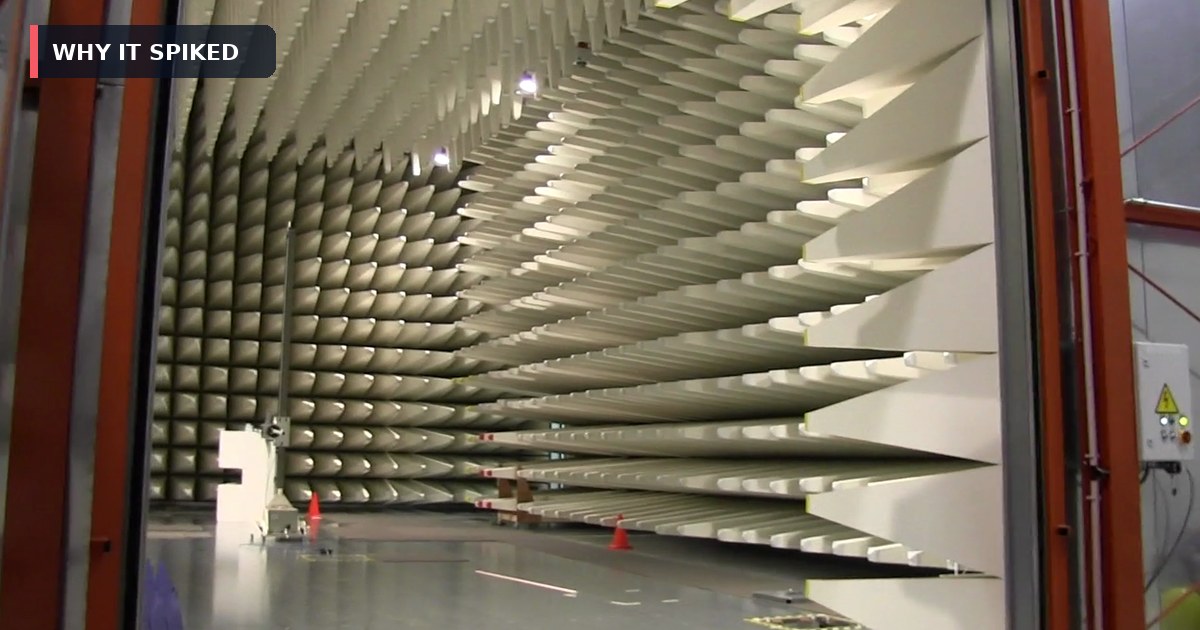
Equipment authorization involves more than placing a device in a chamber and pressing a button. Laboratories can handle engineering samples, technical specifications, radio-emission measurements and commercially sensitive information before a product launches. Regulators need confidence that results are accurate and recognized organizations can be audited. The FCC argues that reciprocal agreements provide stronger oversight and enforcement channels than arrangements with non-reciprocal jurisdictions.
The agency points to previous cases involving questionable or falsified test reports. Those cases justify scrutiny, but they do not prove every laboratory in China submitted false results or that every device tested there is unsafe. The new rule is a policy judgment about systemic oversight and geographic exposure, not a finding of misconduct against each affected business.
Reciprocity adds a commercial dimension. Washington wants US laboratories to receive comparable treatment abroad rather than allowing overseas facilities access to the American approval system without equivalent opportunities for American providers. Critics may see an expensive trade barrier; supporters see stronger domestic capacity and less dependence on one jurisdiction. The competing arguments will ultimately depend on costs, capacity and verification quality.
What Manufacturers, Retailers and Buyers Could Notice
Manufacturers now have reason to map the laboratory behind each product authorization. Companies relying on affected facilities may need to book tests elsewhere, qualify new providers, change timelines and update compliance procedures. Smaller importers could struggle more than global brands with dedicated regulatory teams. A surge in demand at eligible laboratories could create queues even if the technical tests remain unchanged.
That creates a plausible cost risk, not a proven retail price increase. Testing fees, shipping, repeat measurements and delays may rise for some firms; competition among eligible labs and investment in capacity could offset part of that pressure. The October 29 vote provides no reliable basis for a specific dollar increase on a phone or router. Consumers should be skeptical of claims that every device automatically becomes more expensive.
The vote also does not cancel approvals already held by ordinary products. The circulated framework preserved authorizations granted before the transition; the central issue is how new applications will be supported afterward. A retailer selling a previously authorized model is in a different position from a manufacturer planning a future launch.
As WhyItSpiked’s analysis of Oracle’s changing AI-chip options illustrates, hardware supply decisions can be complicated long before customers see a product. Device testing is another specialized step where a policy change can ripple through schedules without changing the underlying technology.
What the FCC Vote Does Not Establish
Three limits matter. First, this is not a recall of electronics already in American homes. Second, it does not establish that all Chinese-manufactured devices pose a cybersecurity threat. Third, it does not demonstrate that US laboratories can immediately absorb the existing testing volume. The transition period recognizes that moving compliance work across borders takes time.
The decision is also separate from restrictions on certain drones, routers or equipment containing components from companies on the FCC’s national-security list. Those measures concern whether particular products can receive authorization; the October 29 rule concerns where compliant testing can occur. A product can pass testing at an eligible laboratory and still face another legal restriction, while other products manufactured abroad remain eligible for US sale.
What to Watch Next
First, watch the final order’s implementation, including the FCC’s list of reciprocal economies and instructions for laboratories whose recognition expires in 2028. Manufacturers will need clarity on applications filed near the deadline and work performed by multinational testing groups.
Second, watch capacity. Eligible laboratories may expand equipment, staffing and appointment availability. If queues lengthen, delayed product introductions may appear before higher shelf prices. Independent data on fees and turnaround times will matter more than predictions from either side.
Finally, monitor separate proposals on laboratory ownership, identity verification and supplier declarations. Those questions should not be described as settled by this vote. The conclusion is significant but specific: Washington has chosen to relocate a crucial gatekeeping function for US electronics approvals, and the industry’s adjustment will unfold over two years.
Sources
Federal Communications Commission — October 29 adopted rules (primary agency statement); Reuters — October 29 coverage of the vote (independent reporting); FCCID.io — October 29 account of FCC 26-73 (specialist corroboration); DLA Piper — October 21 analysis of the circulated draft (legal context predating adoption).